Why water can feel harder on a GLP-1
A lot of women tell me the same thing: water that used to be automatic now takes a conscious effort.
Part of it is simple routine. Eating less can mean fewer meals and snacks, which are natural moments to drink. Food itself also supplies about a fifth of the water most adults take in, according to the National Academies.
What the medicine labels say
The Medication Guides for Wegovy and Zepbound both tell patients it is important to drink fluids to help reduce the chance of dehydration. Their prescribing information reports kidney problems in some people, mostly after stomach side effects such as vomiting or diarrhea led to dehydration.
A 2025 joint advisory from four obesity and nutrition societies also lists adequate fluids among its nutrition priorities during GLP-1 treatment, and stresses preventing dehydration when stomach side effects happen. Neither sets one fluid number for everyone, so your target is a question for your prescriber.
Habits that make it easier
None of these are medical rules. They are small cues that can help water happen on busy days:
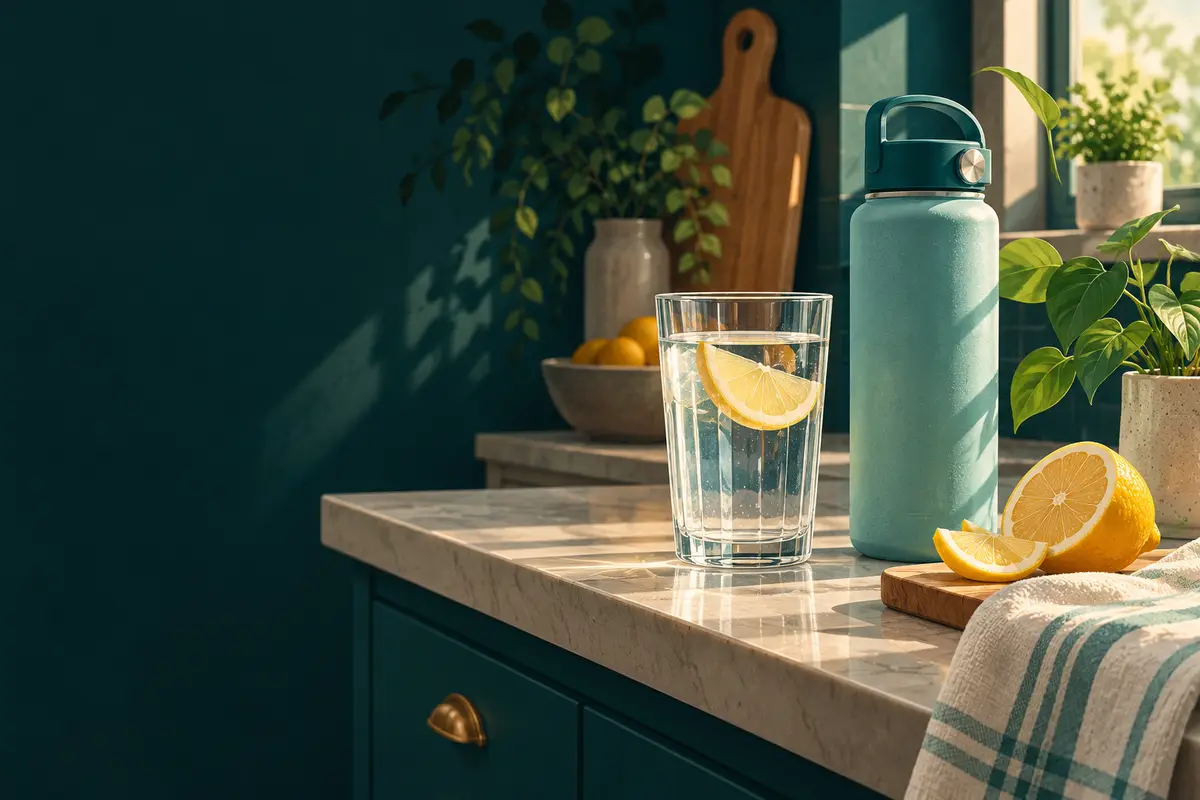
- Keep a bottle where you can see it: desk, car, kitchen counter.
- Drink with each meal, even a small one.
- Count other drinks too. Ask your clinician about caffeine & sugar.
- If plain water turns your stomach, try it cold, with ice or with a slice of fruit.
- Tick off a morning and an afternoon check, so a miss shows up by lunchtime instead of bedtime.
Where the challenge fits
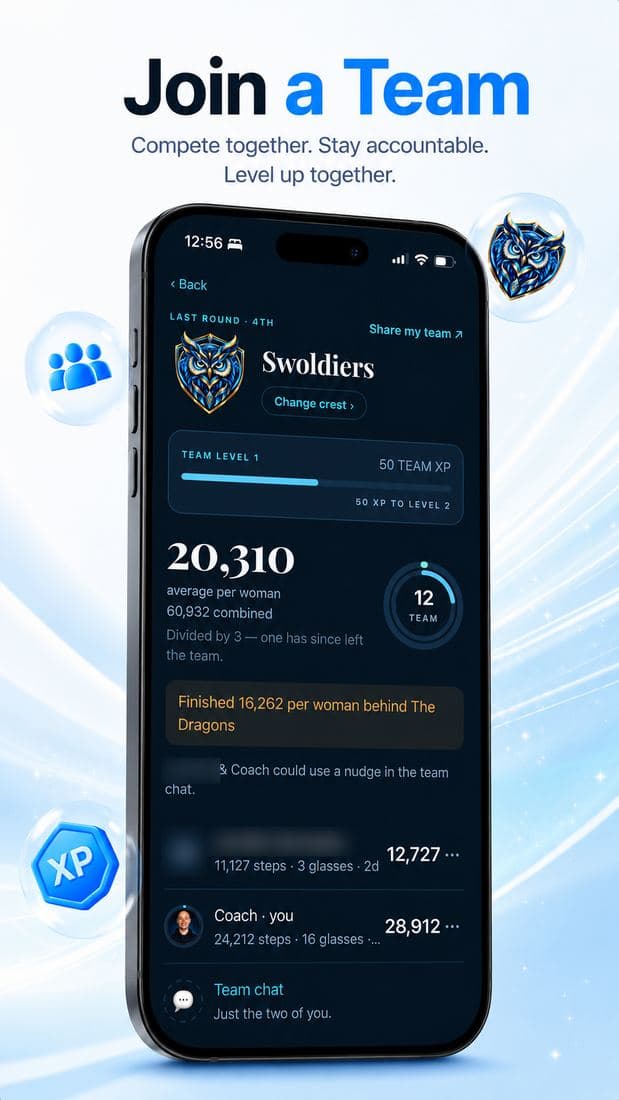
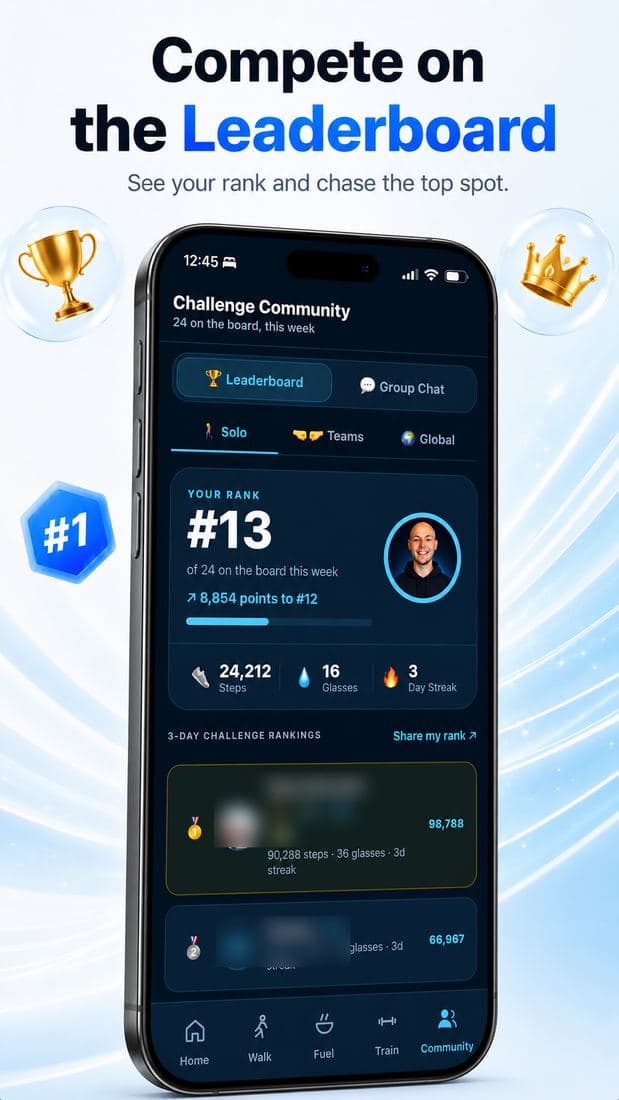
The 3-Day Walk & Water Challenge gives you a water check-in next to your steps, and a team of two to four that sees your day. It does not change anything about your medicine. It just makes the water habit visible on the days it stops being automatic.