Is walking enough on a GLP-1?
For moving every day, walking is a great choice: gentle, repeatable and easy to fit around side effects. For the CDC’s general health baseline, adults need about 150 minutes of moderate activity a week plus muscle strengthening on two days.
During GLP-1 treatment, the 2025 joint advisory goes further. It recommends an individualized program with at least 150 minutes of moderate aerobic activity a week and strength training at least three times a week, to help preserve muscle and bone as weight comes off.
Why muscle comes up so often
When weight comes off, some of it can be muscle. That is why the advisory pairs activity with adequate protein. Walking keeps you moving; the advisory adds protein and strength work for muscle and bone.
Strength work does not have to mean a gym. Ask your clinician what is right for you. For many women it starts with sit-to-stands, wall push-ups and carrying groceries on purpose.
Walking on low-energy days
Let your clinician’s plan and how you feel that day set the walk. If you feel unwell, rest. The Medication Guides say to contact your healthcare provider about nausea, vomiting or diarrhea that does not go away.
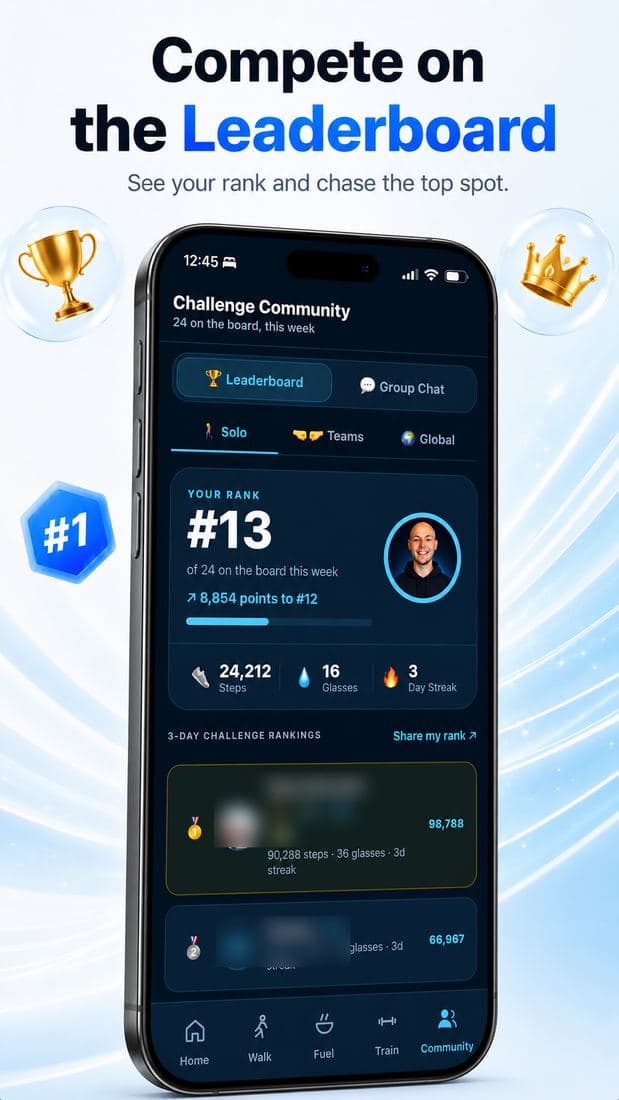
On days you feel up to it but low on energy, a shorter walk still keeps the habit going, and it still counts on the board. Bring water with you: the medicine labels stress drinking fluids to help reduce the chance of dehydration.